COMMUNITY
REMEMBER AND BE SAD
Digging up memories of World War II
By Dr. Jaime Laya
(Repost full text from Manila Bulletin – February 24, 2020)
The Japanese made their last stand south of the Pasig in February 1945 and the desperate, sick, wounded, and dying, sought shelter at Malate’s Hospital de Remedios to escape Japanese atrocities and American shelling. Their hope lay in Nuestra Sra. de los Remedios, the concrete of the hospital building, and the Red Cross insignia painted on its roof.
More than 1,000 were in the hospital on Feb. 13, in the block bounded by Mabini, San Andres, Remedios, and Mother Ignacia Streets, attended to by a doctor, an intern and a handful of volunteer nurses. When the smoke cleared, the district was broken stone and ashes. The stench of death filled the air.
Stacked like cord wood, hundreds of shattered and decaying bodies were hastily buried in a mass grave. You could say 12 were lucky—hospital volunteers, patients, and refuge seekers—killed and laid in a pit before the full fury of hell-fire and whose remains may still be identified.
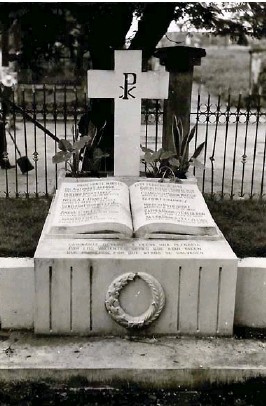
 When peace was restored, a marker was raised at the burial place that witnesses remembered. Regretfully, the marker was neglected, broken, buried under debris, and forgotten. On this 75th anniversary of that tragic month, the families of Jimmy Picornell, Andre Cailles, Antonio Lahorra, Juanito Chico, Allan Afzelius, and Nikolai Prokopoff have gathered “to reclaim the forgotten history of Malate Catholic School and possibly the remains of their dead.”
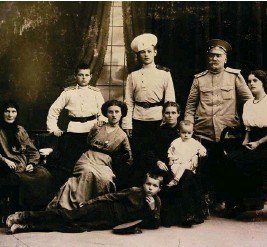
The project is headed by Manila resident Matthew Westfall, grandnephew of Prokopoff, a Russian Terek Cossack military officer who emigrated to the Philippines in the 1920s and worked as chief electrical engineer of San Miguel Brewery. He was shot by a Japanese sniper at Remedios Circle and died at Remedios Hospital.
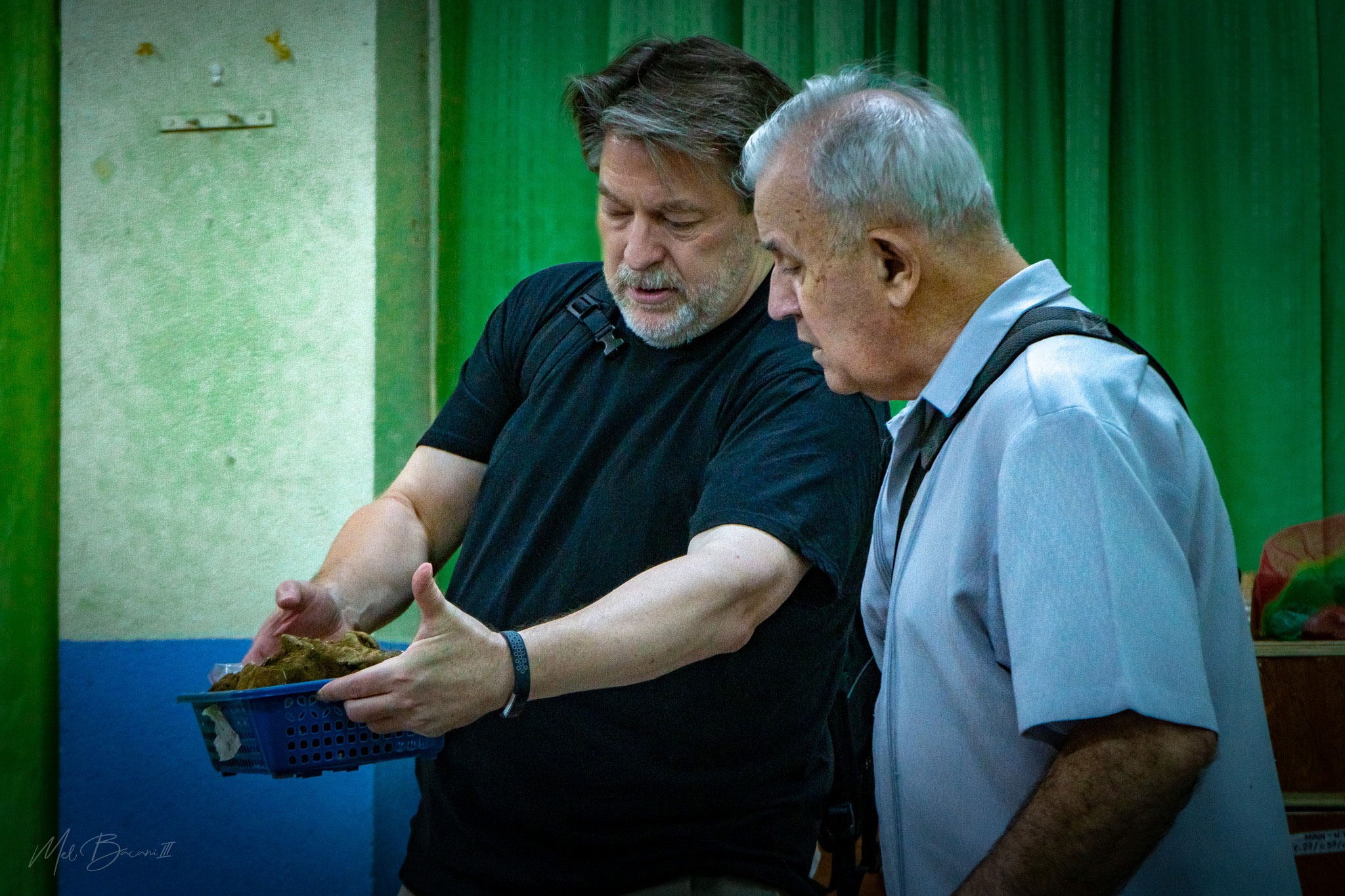
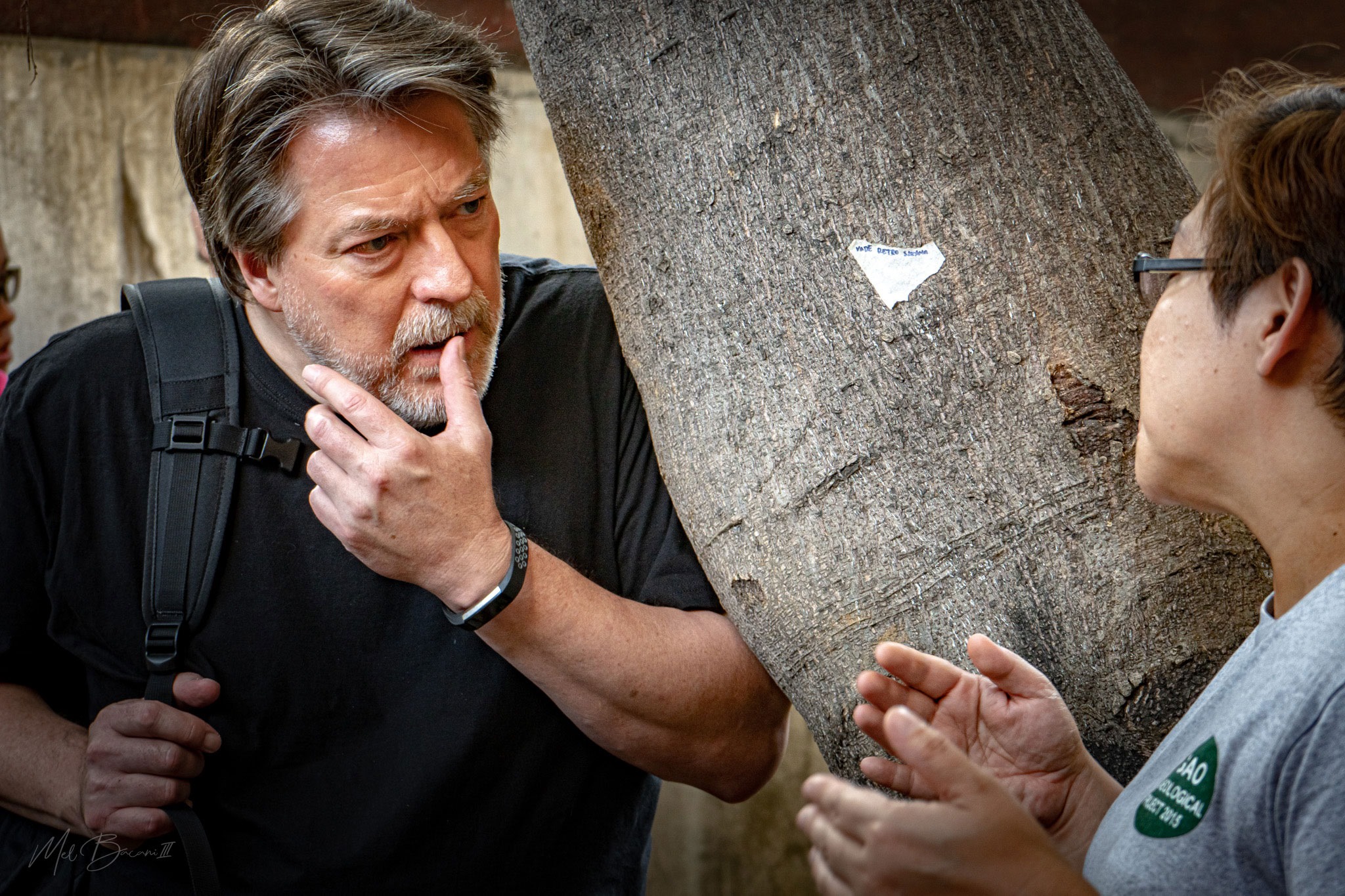
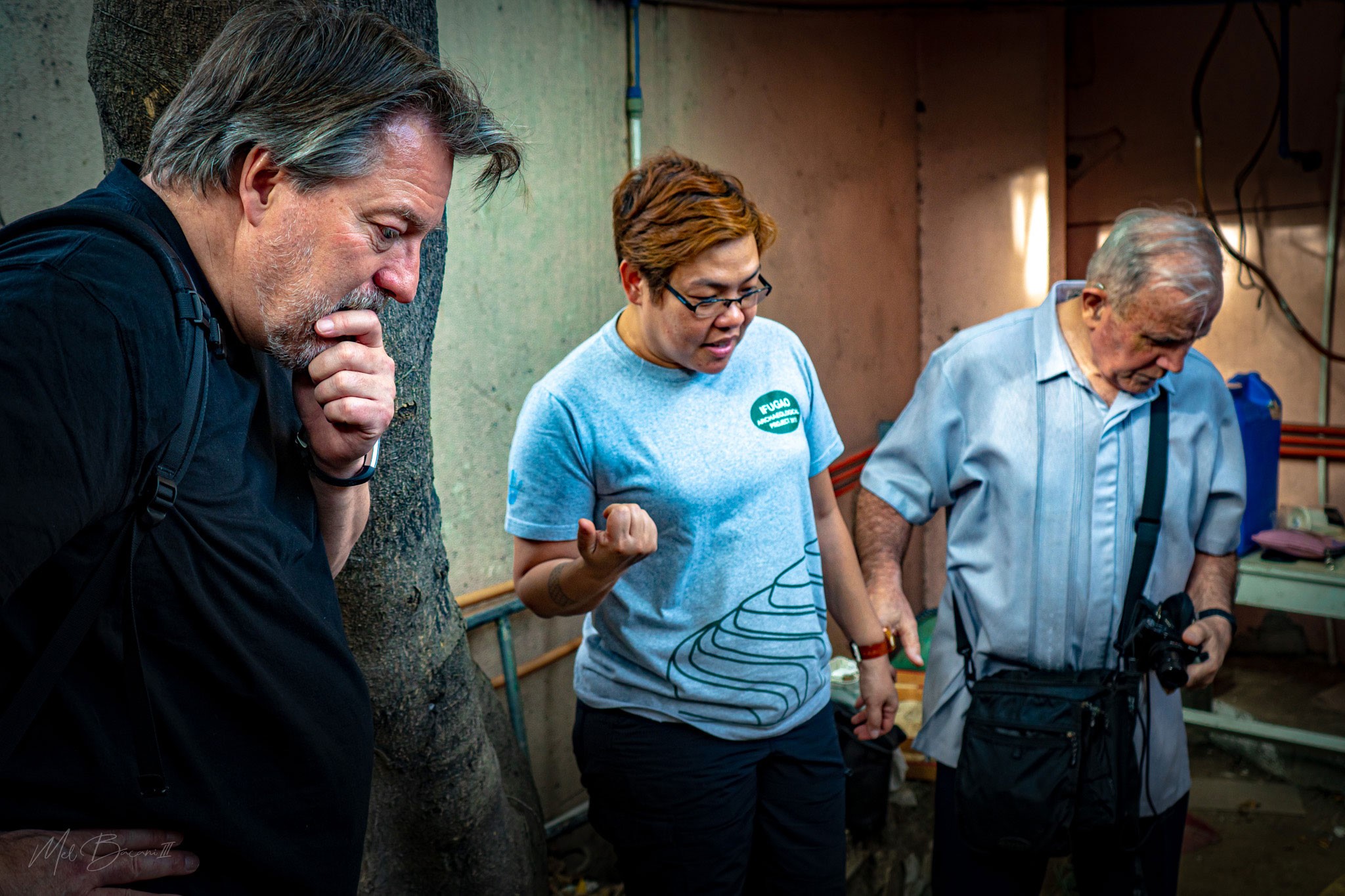
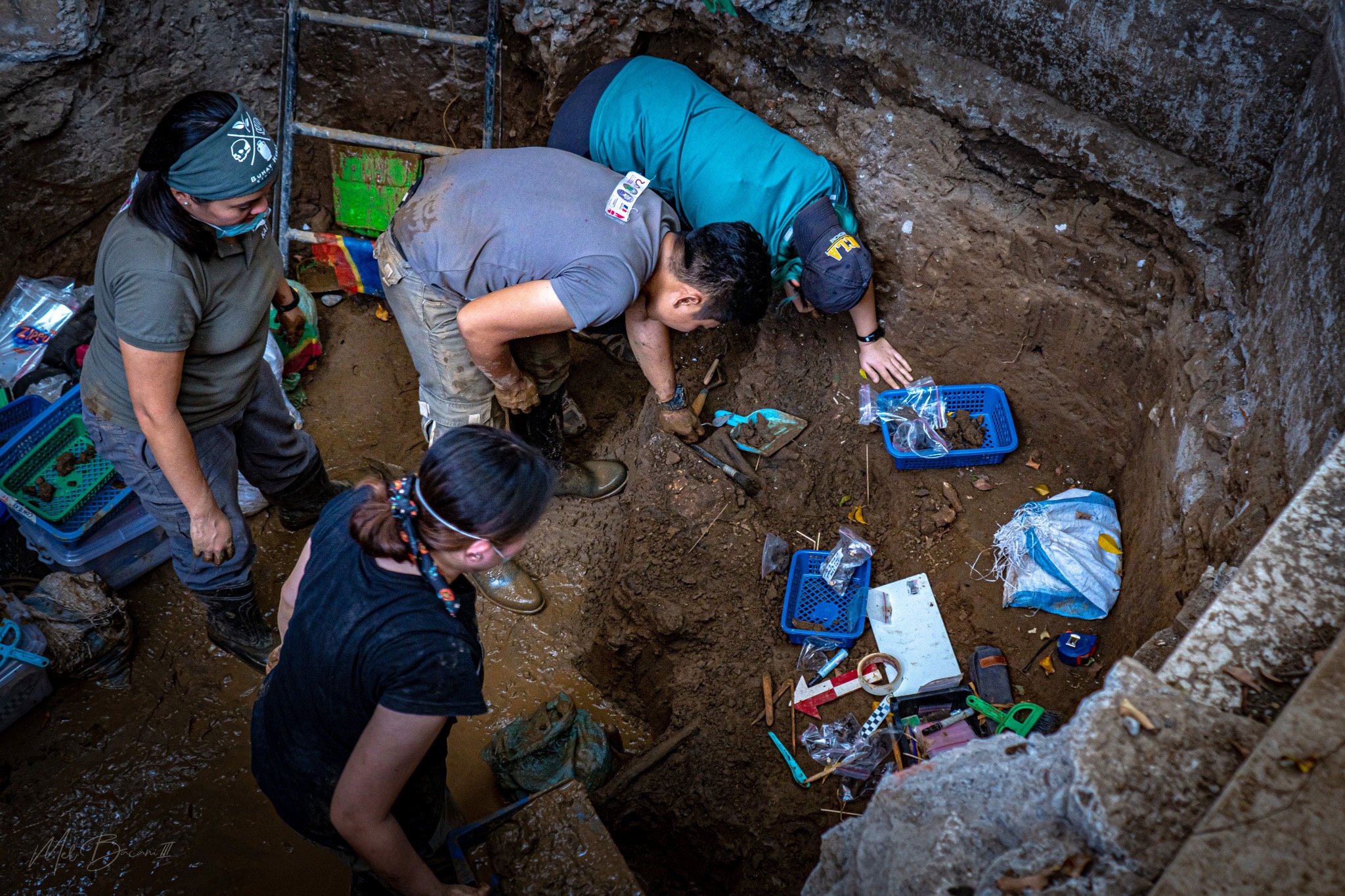
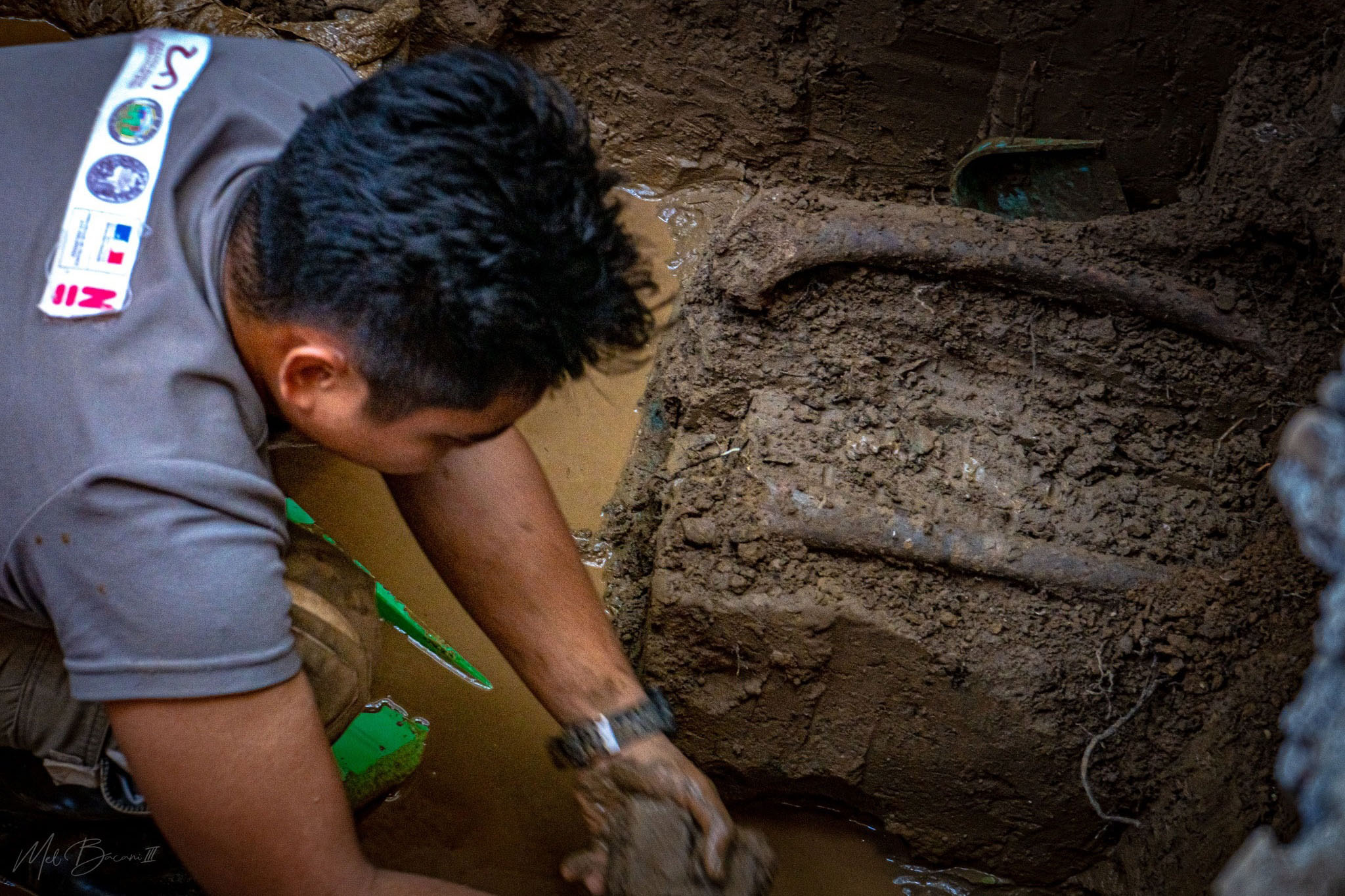
 Working with Grace Barretto Tesoro of the UP Archaeological Studies Program, the National Museum, Malate Church, and Malate Catholic School, the group is exhuming the remains that, with hope, can be identified through DNA testing by Raquel Fortun and her UP College of Medicine team. The group hopes to raise a new memorial within Malate church grounds or across Mabini Street, site of the larger mass grave of as many as 200 victims.
In the course of their excavations, a plaque was discovered honoring Maria Orosa. The group surmises that it was part of a pillar-type memorial erected at or near the other mass grave in the 1950s but discarded in the 1990s. Orosa’s remains could be among those.
In its February 1946 commemorative issue, Voz de Manila described the fateful day: “One heard wailing, screams of pain from the wounded, calls for doctors, calls to children, parents, mothers… And those voices, voices of resignation as death slowly descended… Death took turns, looking for victims as if by chance... The wounded lay beside the dead, unattended by the few exhausted doctors and volunteer nurses who had worked day and night since the bombardment began... A young man was among them, ‘Papa,’ he whispered, ‘take good care of Mama and my sisters.’ These from one who for three years prayed for the Americans’ return.”
Notes: (a) The Philippine Red Cross had opened an emergency hospital there at the start of World War II but when it began phasing out in 1942, the Catholic Womens League took over on representations of the Columban priests (Fr. John Lalor) who were—and still are—in charge of Malate Church and its school. They raised funds and did volunteer work among themselves, doing nursing and other work, bringing in doctors and medical personnel. Returning survivors of the Death March, sick with dysentery and malaria, were among their first patients; and (b) The quotes are from Matthew Westfall’s account and your columnist’s translation of a Voz de Manila story.
Comments are cordially invited, addressed to walangwala888@gmail.com
https://www.pressreader.com/philippines/manila-bulletin/20200224/281964609747527

Postscript: According to Fr. Michael Martin, SSC, “This is an excellent article and gives an accurate, balanced picture of the facts from 1945 and the continuing progress in dealing with the team’s findings at this sacred grave”. He notes that “the remains of the Hospital Director and Columban priest Fr. John Lalor were initially in a separate shrine on the School Campus. A later school expansion led to the transfer of these to the Mortuary attached to Our Lady of Remedies Church, where they remain today”.
The Feb. 13, 1945 victim identified as Lahorra is Dr. Antonio Lahorra, the young and dedicated doctor of the Remedios Hospital.
“The article named leaders of the U.P. Professional team engaged by Matthew Westfall, a grand nephew of a victim who was shot by a Japanese sniper. His professionalism, and that of the whole UP team, merit our admiration and thanks. With them, we hope and pray that many other families, including the distinguished Maria Orosa, will hopefully be reunited with the earthly remains of their beloved” expresses Fr. Martin.
Dr. Jaime Laya, author of this article, is a friend of the parish and an adviser of the Malate Church restoration. We share this article with his permission. ‘Remember and Be Sad’ was published by Manila Bulletin on February 24, 2020.
We’d like to hear your thoughts about this article. Please let us know what you think. Thank you.
Our Community
© Malate Catholic Church
All rights reserved.